



 CATALÀ
  CASTELLANO
  ENGLISH
 ANIMALS FROM AROUND THE WORLD / LITTLE ANIMALS
Click on the name of each animal to see its description
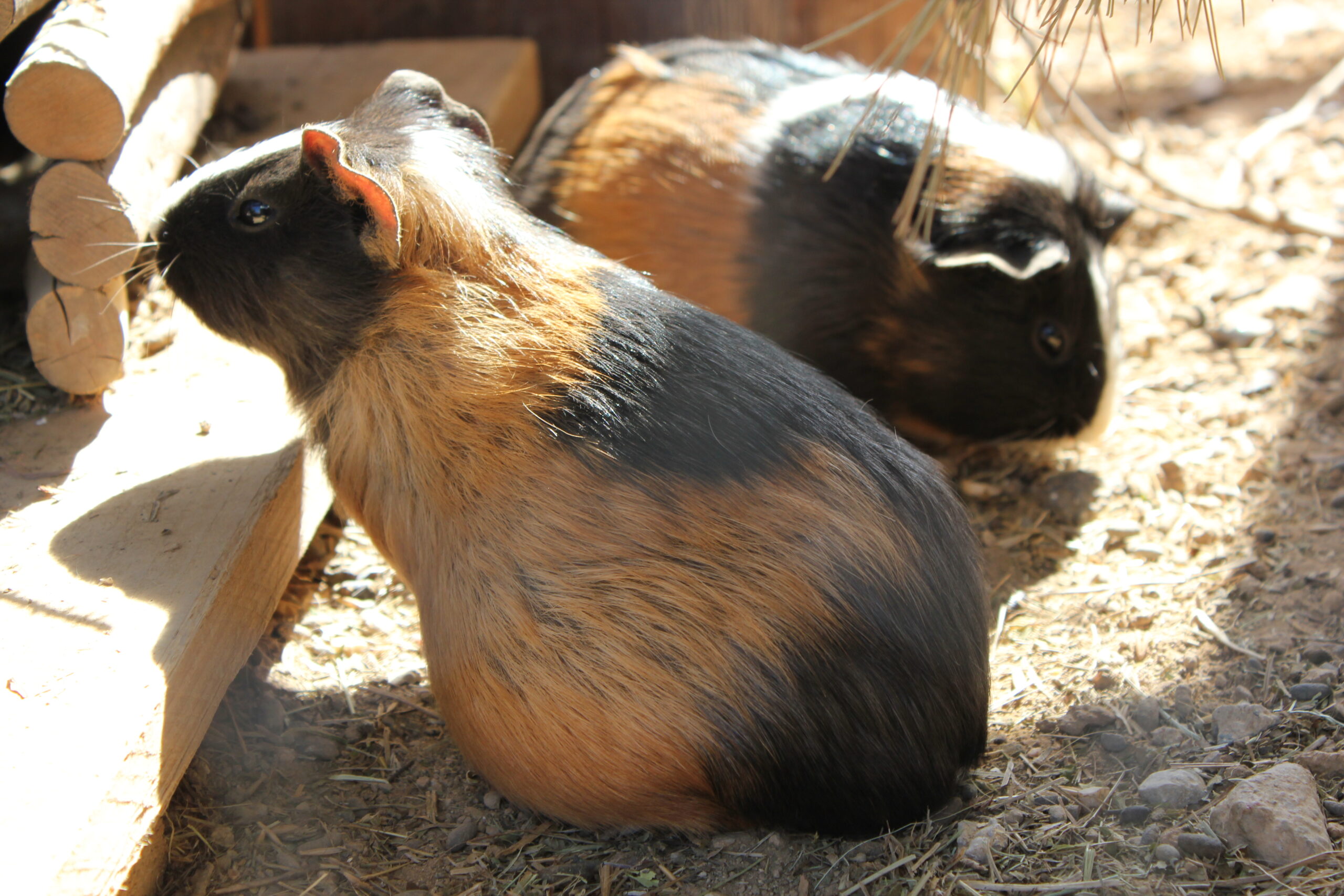
GUINEA PIG
- Longevity: 5-8 years
- Origin: South America
- Habitat: Burrows dug into the ground, swampy areas or areas with dense vegetation.
- Behaviour: Gregarious animals (they live in groups), nervous and easily startled.
- Diet: Herbivorous
- Reproduction: Viviparous mammals
- Curiosities: They don’t have a tail.They have an excellent memory and a field of vision almost twice that of humans. They are very good swimmers!
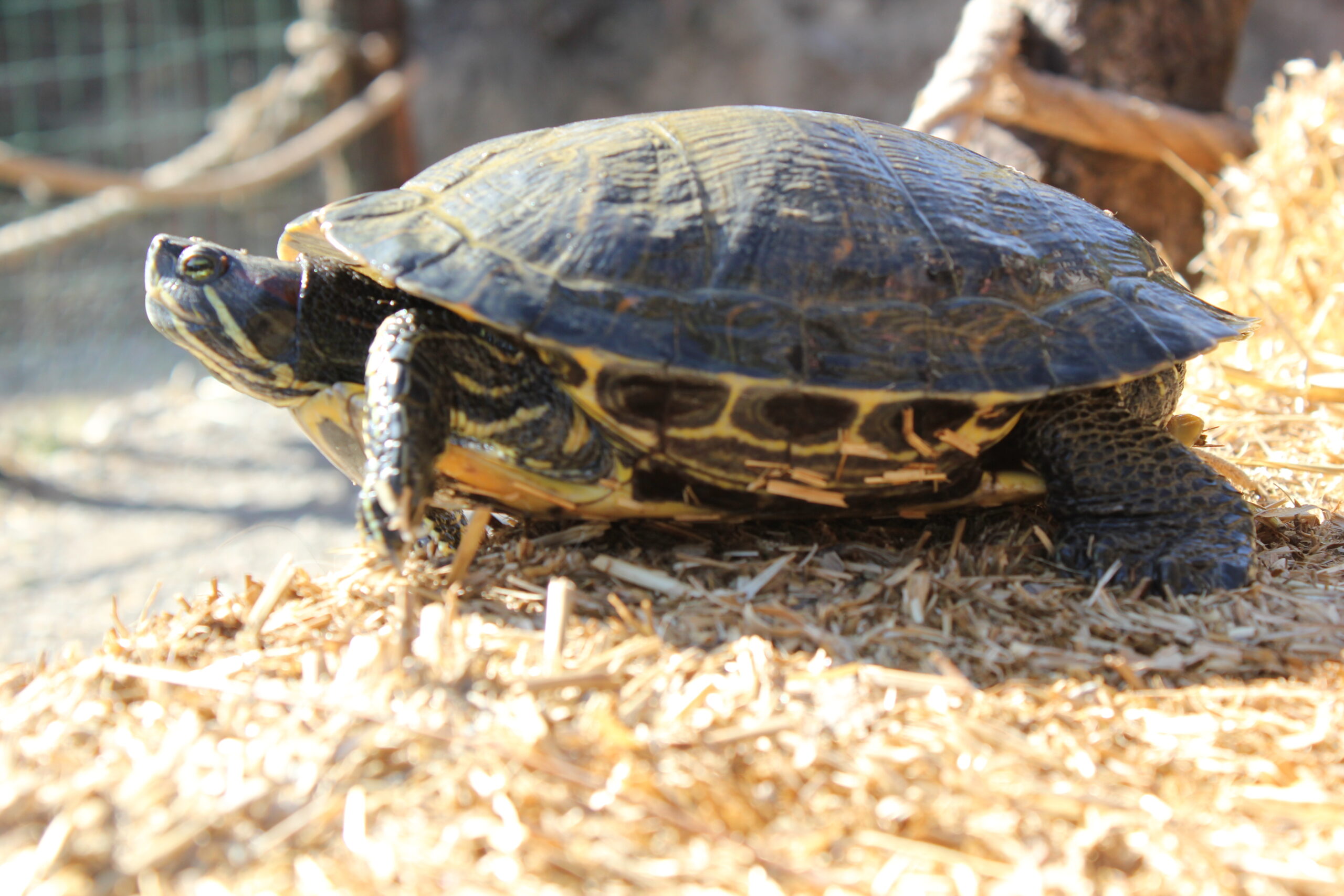
FLORIDA TURTLE
- Longevity: 30-40 years
- Origin: North America
- Habitat: Rivers and swamps
- Behaviour: Invasive species
- Diet: Omnivorous
- Reproduction: Oviparous reptiles
- Curiosities: When it is scared, it hides its head and legs inside. To tell if it’s male or female, we look at its tummy: if it’s male, it’s slightly concave; if it’s female, it’s flat.
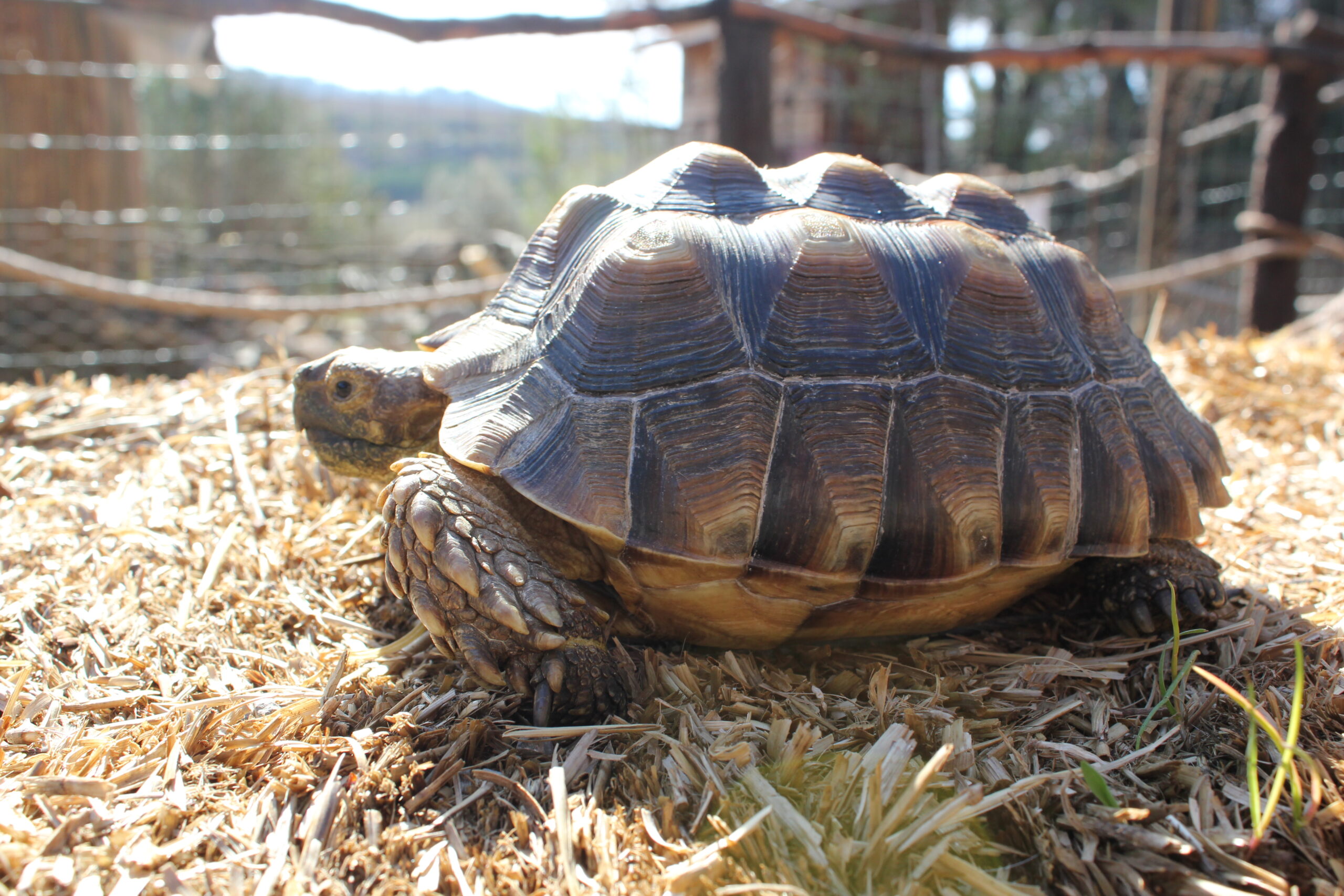
LAND TORTOISE
- Longevity: 30-80 years
- Origin: Asia
- Habitat: Dry and arid areas
- Behaviour: Solitary, nervous and easily startled.
- Diet: Herbivorous
- Reproduction: Oviparous reptiles
- Curiosities: When it is scared, it hides its head and legs inside. To tell if it’s male or female, we look at its tummy: if it’s male, it’s slightly concave; if it’s female, it’s flat.
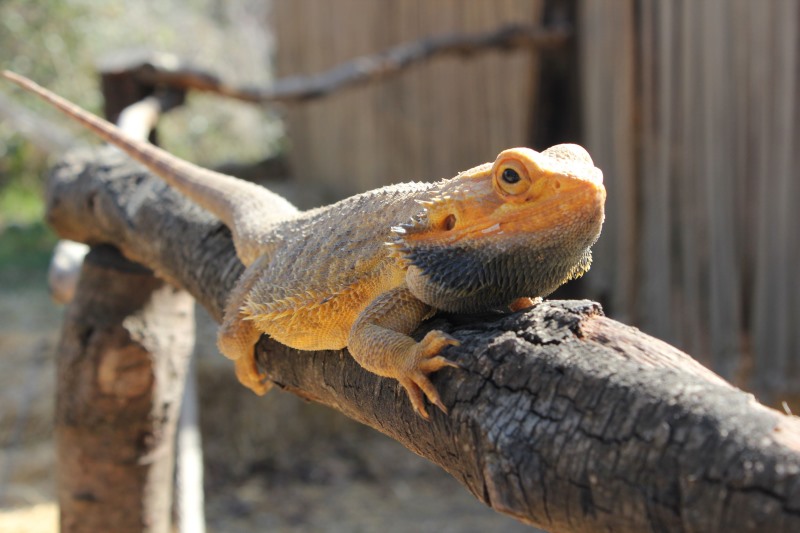
BEARDED DRAGON
- Longevity: 10-15 years
- Origin: Australia
- Habitat: Variety of ecosystems, from deserts to dry forests or savannas.
- Behaviour: When they feel threatened or want to demonstrate their strength, they inflate their neck sac covered with fine barbs or spines and open their mouths wide.
- Diet: Omnivorous
- Reproduction: Oviparous reptiles
- Curiosities: They can darken their skin to better absorb sunlight, because they are cold-blooded animals and cannot regulate their own temperature. They have a peculiar behaviour: they wave with one hand. They stand on three legs and raise one front leg, slowly forming circles. This unusual behaviour helps them recognize each other.
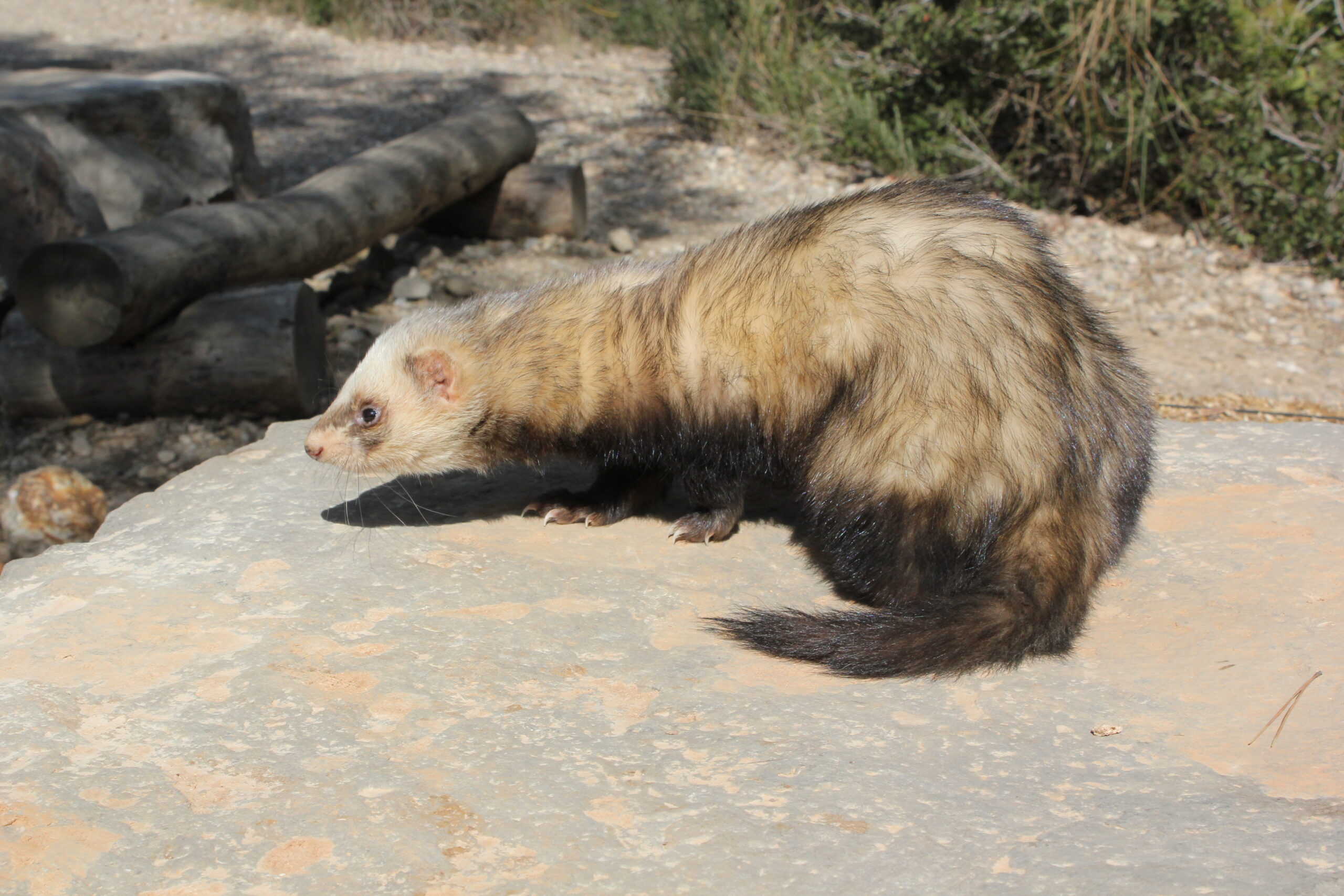
FERRET
- Longevity: 10–15 years
- Origin: Northern Europe
- Habitat: Forests, bushes and areas near rivers
- Behaviour: Curious, playful, and energetic animals with natural instincts for exploration, hunting, and hiding. They spend much of the day sleeping.
- Diet: Carnivorous
- Reproduction: Viviparous mammals
- Curiosities: Their thin and elongated body allows them to enter animal burrows and little holes to explore.
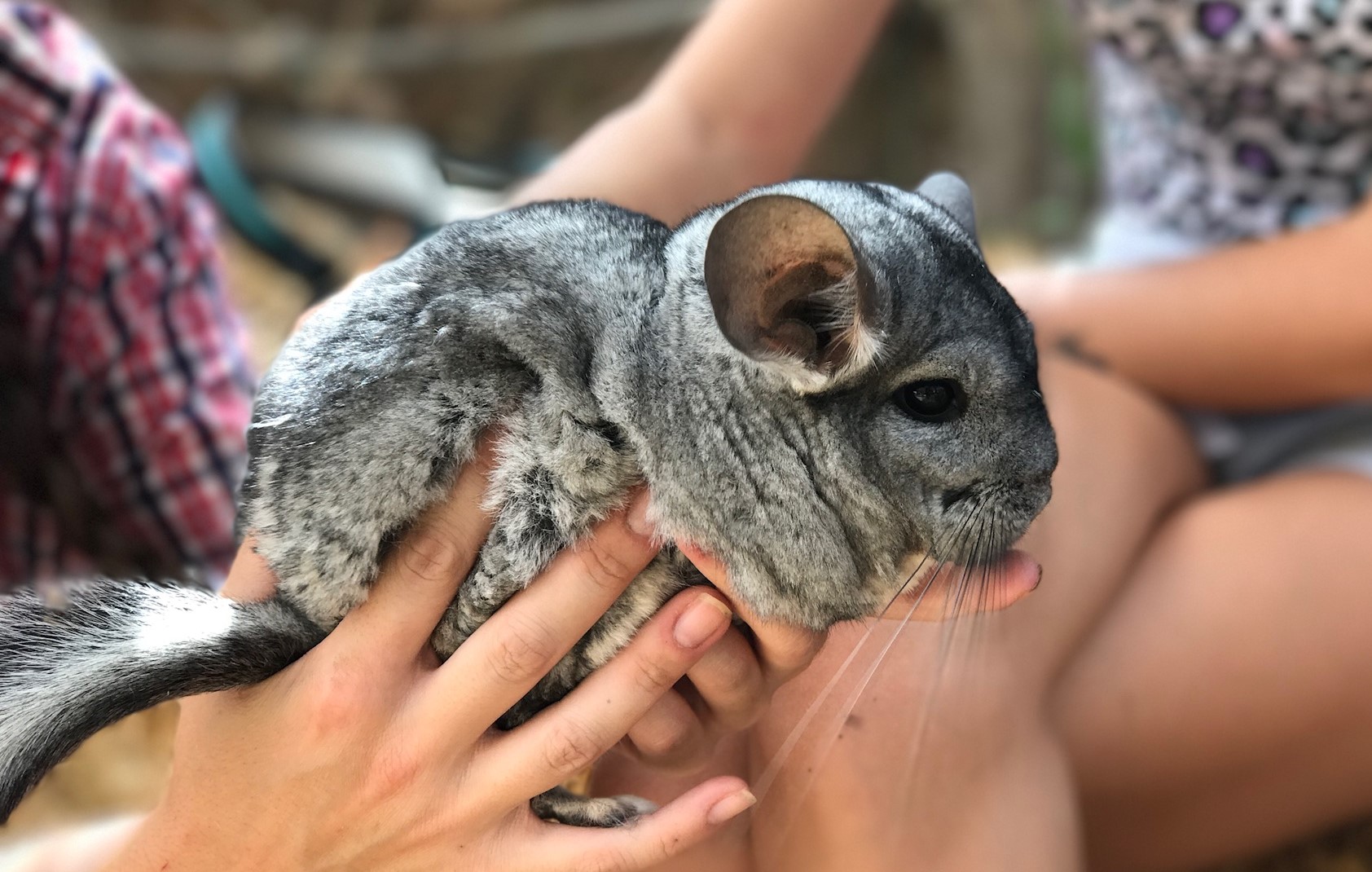
CHINCHILLA
- Longevity: Up to 20 years
Origin: South America (Andes)
Habitat: Dry and cold climates (mountains)
Behaviour: Social groups called herds consisting of 14 to 100 individuals. They are nocturnal.
Diet: Herbivorous
Reproduction: Viviparous mammals
Curiosities: They have long whiskers that allow them to orient themselves among rocks in the dark. They are the softest animals in the world: Up to 50 hairs can grow from a single follicle! It uses them to protect itself from the cold and from predators. It can even throw balls of fur to escape
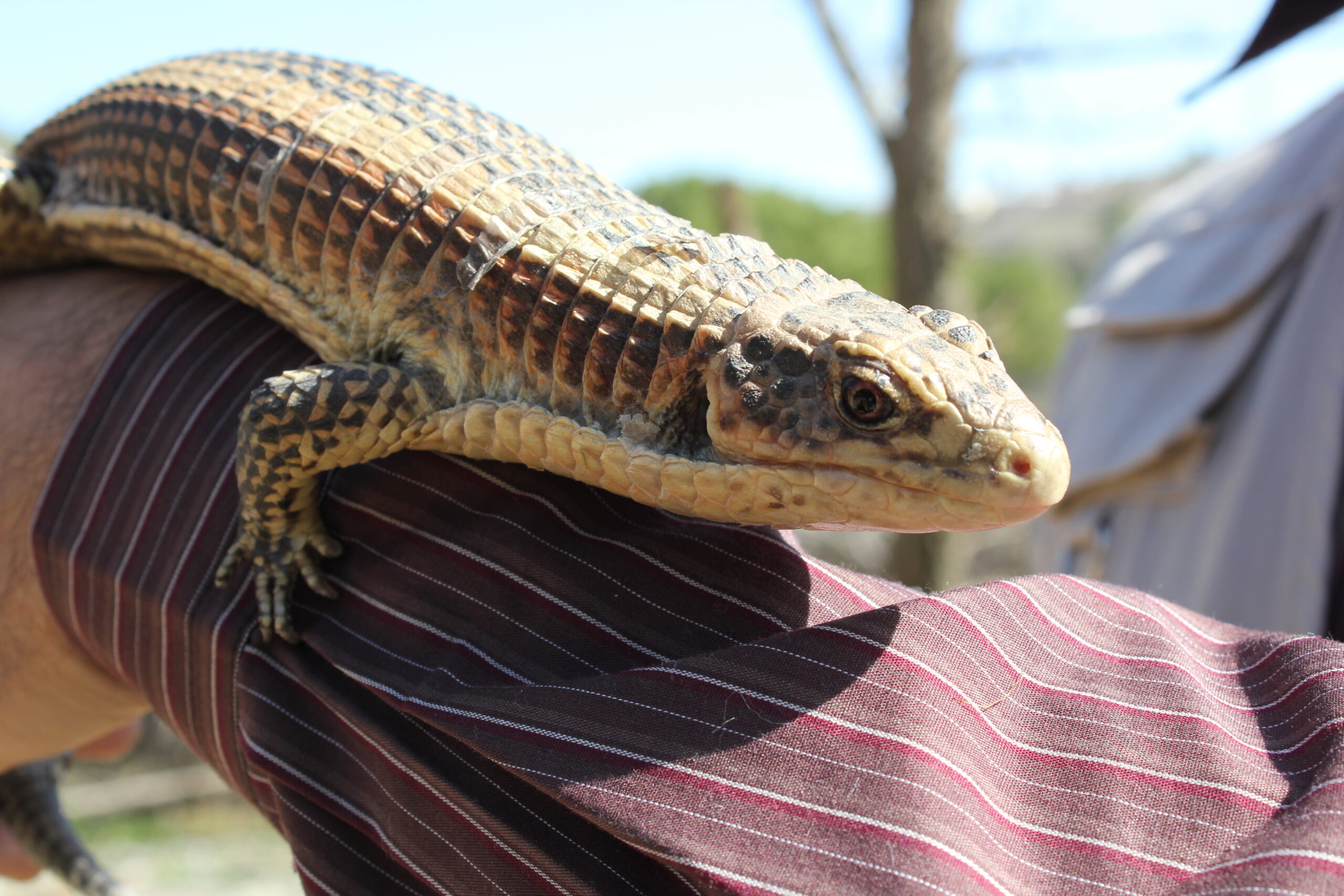
PLATED LIZARD (Gerrosaurus)
- Longevity: 20-25 years
- Origin: Africa
- Habitat: Rocky deserts
- Behaviour: Easily startled. It is a diurnal animal and a skilled burrower.
- Diet: Omnivorous (mainly insectivorous)
- Reproduction: Oviparous
- Curiosities: It releases a pee with a very strong rotten smell, rolls around in it and plays dead; this way it looks like it’s been dead for days and decomposing… so no animal wants to eat it.
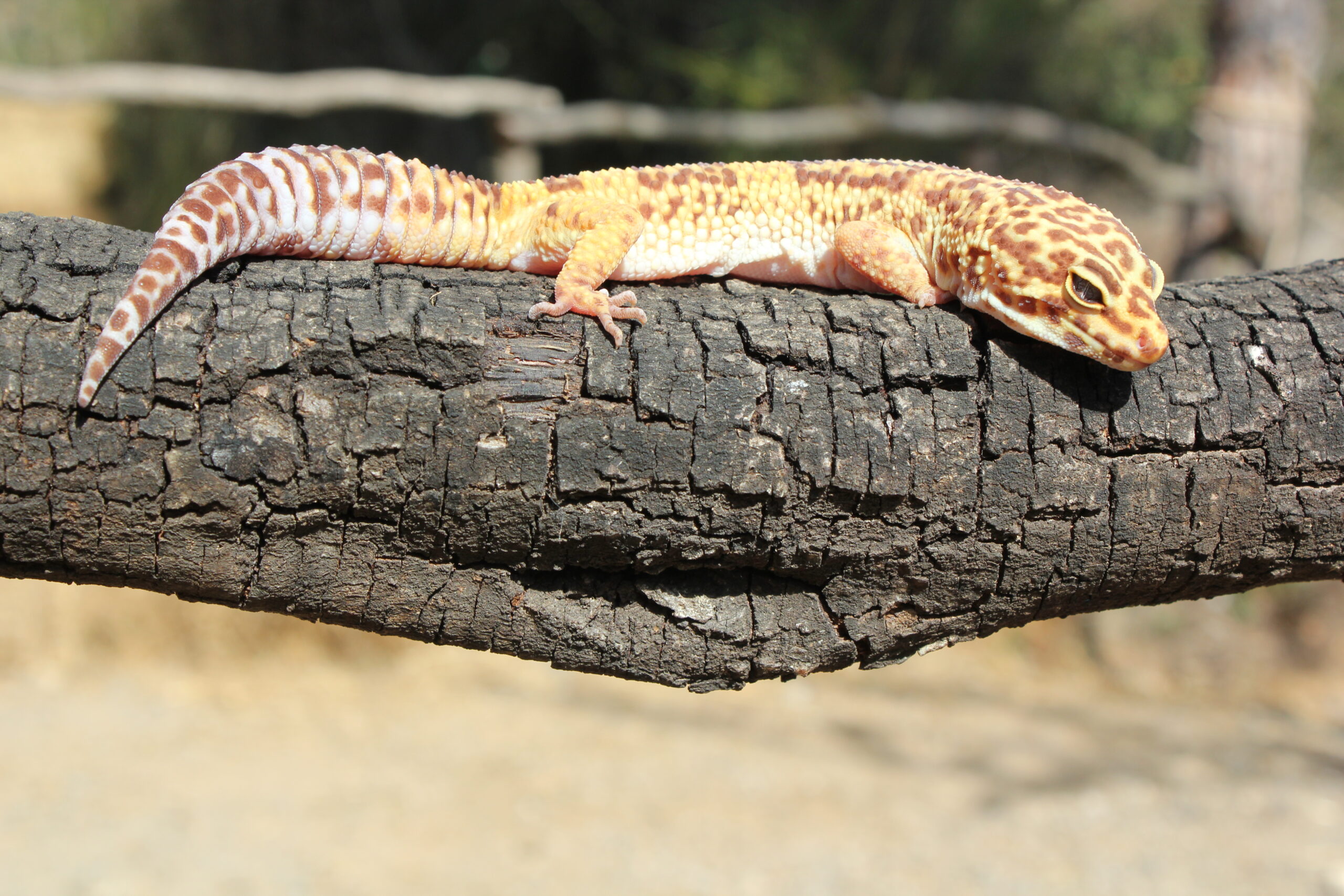
GECKO
- Longevity: Up to 20 years
- Origin: Southeast Asia
- Habitat: Desert or mountains (semi-arid or dry areas).
- Behaviour: Nocturnal and very fast
- Diet: Omnivorous (mainly insectivorous)
- Reproduction: Oviparous
- Curiosities: If it feels attacked it can drop its tail and it grows back in a short time. However, it needs its tail to live. That’s where it stores food as fat.
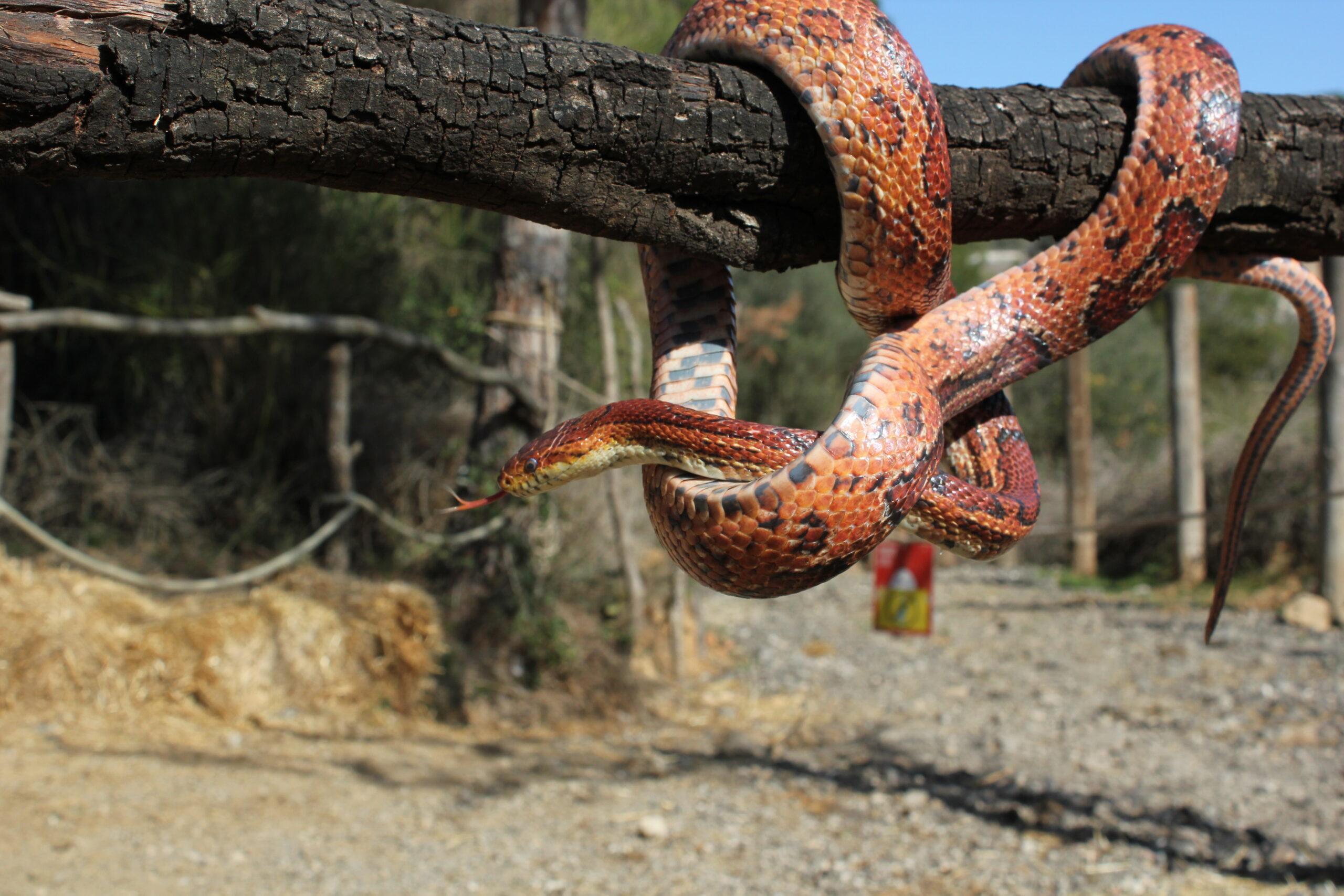
CORN SNAKE
-
Longevity: 20 years
-
Origin: North America
-
Habitat: Agricultural areas
-
Behaviour: Lives on the ground, but likes to climb tree branches
-
Diet: Carnivorous
-
Reproduction: Oviparous reptiles
-
Curiosities: It uses its tongue to “smell”
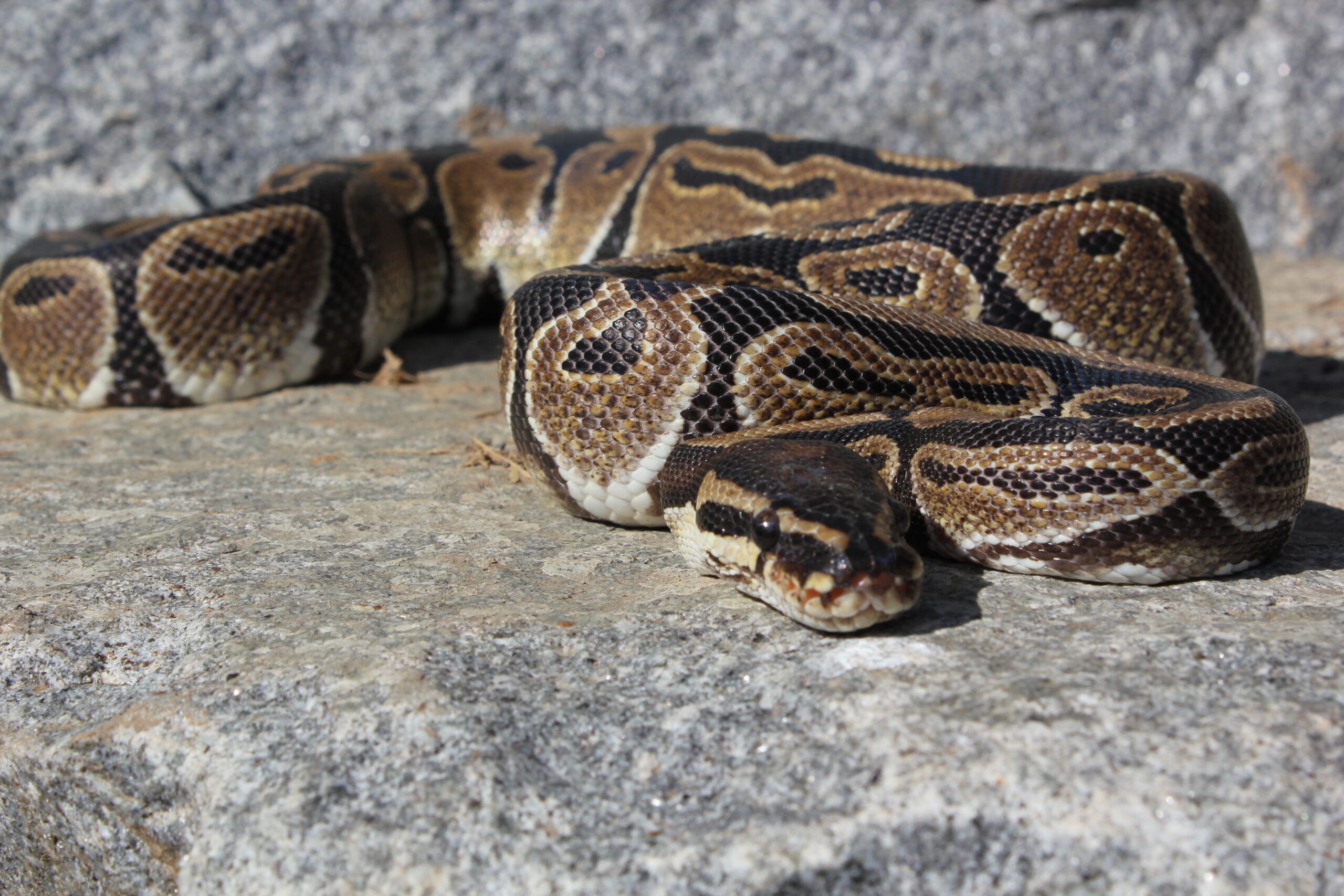
ROYAL PYTHON (Ball python)
- Longevity: 15-30 years
Origin: Africa
Habitat: It lives in wooded areas, brushes, semi-arid and agricultural lands, always close to water.
Behaviour: When it gets scared, it curls up and protects its head (it turns into a ball)
Diet: Carnivorous
Reproduction: Oviparous
Curiosities: Its vision is thermal, meaning it can detect animals by the heat they give off.